Most organizing plans ask for a free weekend you do not have. So the boxes sit in the hallway, the junk drawer stays jammed, and the whole project starts to feel like a personality trait you were born without. It is not. Organizing is a run of small decisions made in short bursts, and fifteen minutes is long enough to make a real one.
This plan spreads the work across 30 days. Each day you pick one small zone — a drawer, a shelf, a corner — set a timer, and stop when it rings. No marathon sessions, no pulling everything out of the wardrobe and losing your nerve at nine in the evening.
The Five Rules That Make 15 Minutes Enough
Read these once. They carry the whole month.
- One zone, not one room. A drawer counts. So does the top of a bedside table.
- Set a timer and respect it. When it rings, stop where you are. A half-sorted drawer is fine; a drawer abandoned for three weeks is worse.
- Work with three bags or boxes: rubbish, donate, and "belongs somewhere else."
- Never empty more than one shelf or drawer at a time. Large piles create panic.
- Everything you keep needs a home. If it does not have one, give it one or let it go.
That third bag matters more than it sounds. Most clutter is not rubbish; it is a mug in a bedroom, a charger in the kitchen, a library book in the car. Park the bag in a hallway and empty it once a week.
Week 1: Drawers, Surfaces and Small Wins (Days 1–7)
Start where you will see the change immediately. Drawers are ideal because they are small enough to finish and satisfying enough to keep you going.
- Day 1: The junk drawer. Dead pens, dried-out tape, mystery keys.
- Day 2: The bedside table — books you will not read, old receipts, three chargers.
- Day 3: Bathroom counter and medicine cabinet. Check expiry dates, and dispose of medicines the way your pharmacy or local guidelines advise.
- Day 4: Under the bathroom sink. Half-empty bottles, hotel toiletries, cracked soap dishes.
- Day 5: The entryway drop zone: shoes, bags, keys, post.
- Day 6: The chair where clothes pile up. Hang, fold or wash them — nothing stays on the chair.
- Day 7: Rest, or catch up on a day you skipped.
Week 2: The Kitchen, Shelf by Shelf (Days 8–14)
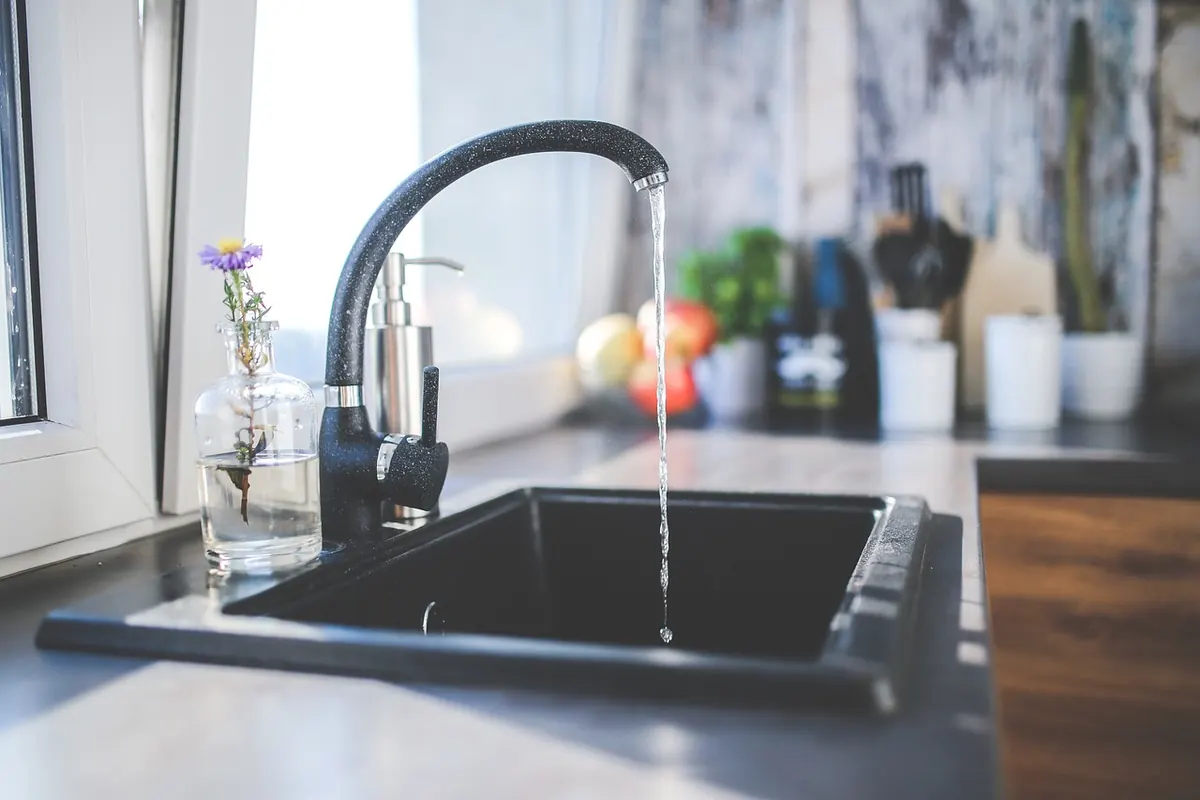
No room holds more duplicates than the kitchen. Two peelers, four almost-empty ketchups, a cupboard of containers with no lids. Work one shelf at a time and do not take everything out at once, or you will be eating dinner standing up.
- Day 8: Fridge door — condiments and sauces past their date.
- Day 9: One fridge shelf or the vegetable drawer.
- Day 10: The freezer. Unlabelled, freezer-burned, or older than you can remember.
- Day 11: Spices and baking supplies. Group by use and keep what you actually cook with.
- Day 12: Food containers. Keep only those with matching lids, then store them nested.
- Day 13: The utensil drawer, plus one counter appliance you have not used this year.
- Day 14: Cleaning supplies. Consolidate duplicates and store them safely away from children and pets.
Week 3: Bedrooms, Wardrobes and Linens (Days 15–21)
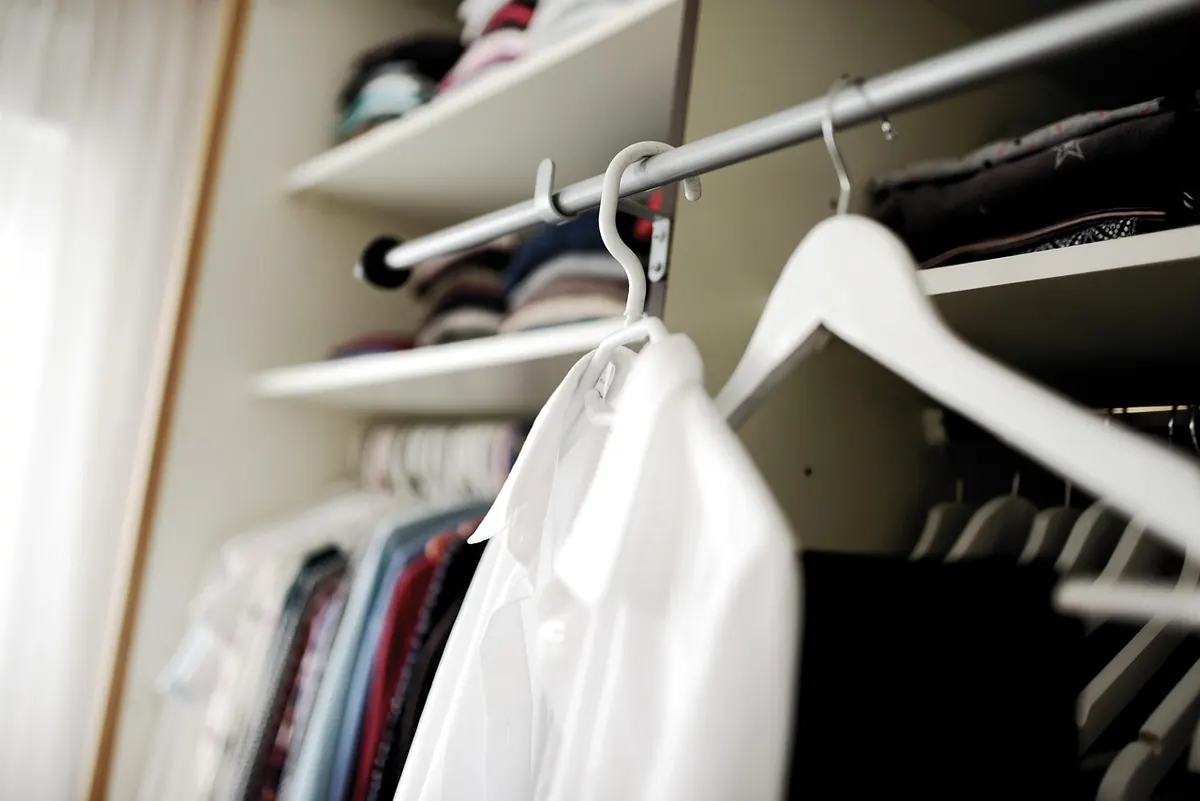
Wardrobes are where good intentions go to die, so keep each session narrow. One drawer. One shelf. One arm's length of hanging space.
- Day 15: Dresser top and one drawer.
- Day 16: Socks and underwear. Anything stretched, torn or unmatched goes.
- Day 17: Under the bed. Dust, odd shoes, boxes of "someday."
- Day 18: Wardrobe floor and shoes. Pair what you can and donate what you do not wear.
- Day 19: One section of hanging clothes. Turn the hangers backwards and see what you actually wear over the next month.
- Day 20: The linen cupboard. Fold sets together and retire towels that only exist as rags.
- Day 21: A guest room, a child's toy shelf, or another catch-up day.
Week 4: Paper, Digital Clutter and Drop Zones (Days 22–28)
Paper is the hardest category, because everything in the pile feels important. Keep the rule simple: hold on to what you need for tax, warranty, legal or sentimental reasons, and deal with the rest. If you are unsure how long to keep financial or legal paperwork, ask an accountant or solicitor rather than guessing.
- Day 22: The post pile. Open everything, then recycle, file, or act on it.
- Day 23: One paper category only: manuals, receipts, or school letters.
- Day 24: The desk surface and the pen cup.
- Day 25: Your phone. Screenshots, duplicate photos, apps you never open.
- Day 26: Your inbox. Unsubscribe from three lists and archive anything older than a month.
- Day 27: Handbag, backpack or car. Old receipts, broken pens, the forgotten snack.
- Day 28: The "belongs somewhere else" bag. Return every item, then put the bag away.
Days 29 and 30: Close the Loop
Day 29 is a walk-through, not a deep clean. Carry a basket around the house, collect stray items, and put them away. Notice which two or three spots have cluttered up again. Those are your problem zones, and they usually need a container or a better home rather than more willpower.
Day 30 is planning. Book your donation drop-off so the bags actually leave, list the zones you did not reach, and choose a weekly ten-minute reset: one day, one timer, one zone. Sunday evening suits a lot of households, but the day matters far less than the habit.
What Happens on Day 31
Nothing dramatic, which is the point. Your home will not look like a showroom, and it is not supposed to. The real result of the month is that you stop seeing mess as one enormous problem and start seeing it as a series of fifteen-minute jobs.
Keep a few habits in place. Do a two-minute tidy before bed. When a drawer gets tight, empty it that week rather than next season. When something new comes in, something old goes out. And if a job turns out to be bigger than a timer — a garage, a flooded cupboard, a room full of mould or pest damage — bring in help instead of improvising. Some work is worth paying a professional for, and knowing the difference is part of being organised.
Thirty days from now, the drawers will close, the post will have a home, and fifteen minutes will feel like plenty.
Photo: congerdesign / Pixabay