It usually starts with good intentions. You grab a cloth, spray the counter, give the sink a quick wipe, and the kitchen looks spotless. What you cannot see is the trail that cloth leaves behind: bacteria from the raw chicken board now sitting on the kettle handle, the fridge door and the tap your hands visit a dozen times a day.
Cleaning removes soil. Disinfecting kills germs. Most of us do a bit of both and assume the job is finished. The twelve habits below are the ones that quietly undermine that work — and the fixes are small enough to fold into the routine you already have.
1. Cloths That Spread More Than They Clean
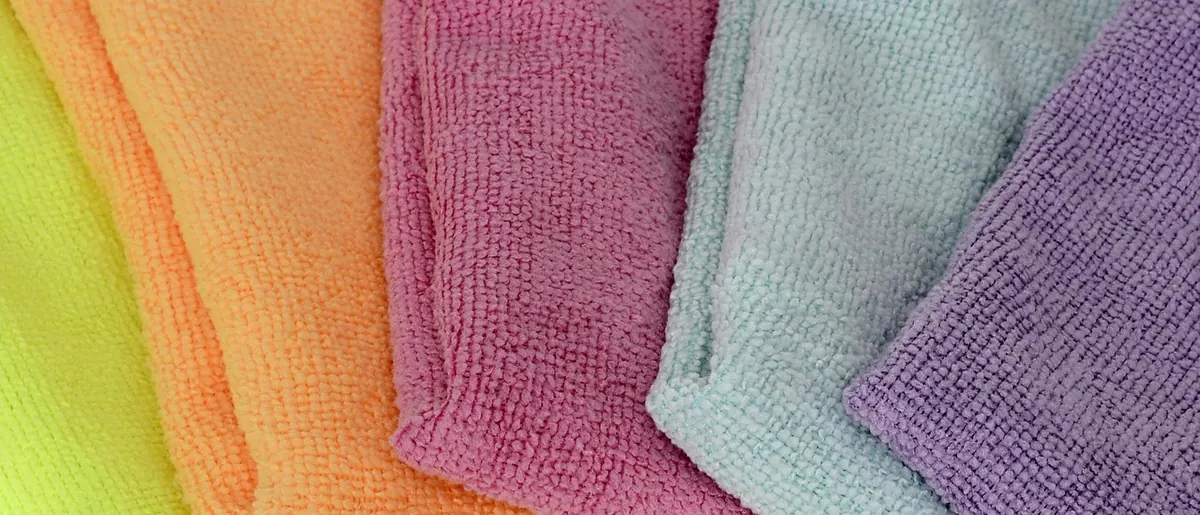
Mistake 1: one cloth for the whole house. A cloth picks up whatever it touches and deposits some of it on the next surface. Wipe the bathroom floor and then the kitchen bench with the same rag, and you have moved germs from the floor to the place you prepare food. Think of it as a taxi for germs: it picks them up in one place and drops them off in another. Keep separate cloths for the kitchen, the bathroom and the floors. Colour-coding them is the simplest way to remember which is which.
Mistake 2: working from the dirtiest surface to the cleanest. Order matters within a single room, too. Start at the toilet or the bin and finish at the sink, and you end up with a clean sink and a thoroughly dirty cloth. Work from the least soiled surfaces towards the worst, and rinse or flip the cloth as you go. In the kitchen, start with the bench and finish with the floor. In the bathroom, start with the mirror and sink, then move to the shower, and leave the toilet for last.
2. Damp Tools and Equipment You Never Wash
Mistake 3: storing cloths and sponges wet. A cloth left crumpled in the bottom of the sink, or a sponge sitting in a puddle of water, stays damp for hours. Warm, wet and full of food particles is exactly the environment bacteria multiply in. A sponge that smells sour is a sign it is already a microbial zoo. Wring cloths out, hang them so air reaches both sides, and let sponges drain rather than soak. Wash what can be washed, and replace sponges and worn cloths regularly — a dish brush with a replaceable head dries faster and is easier to keep clean.
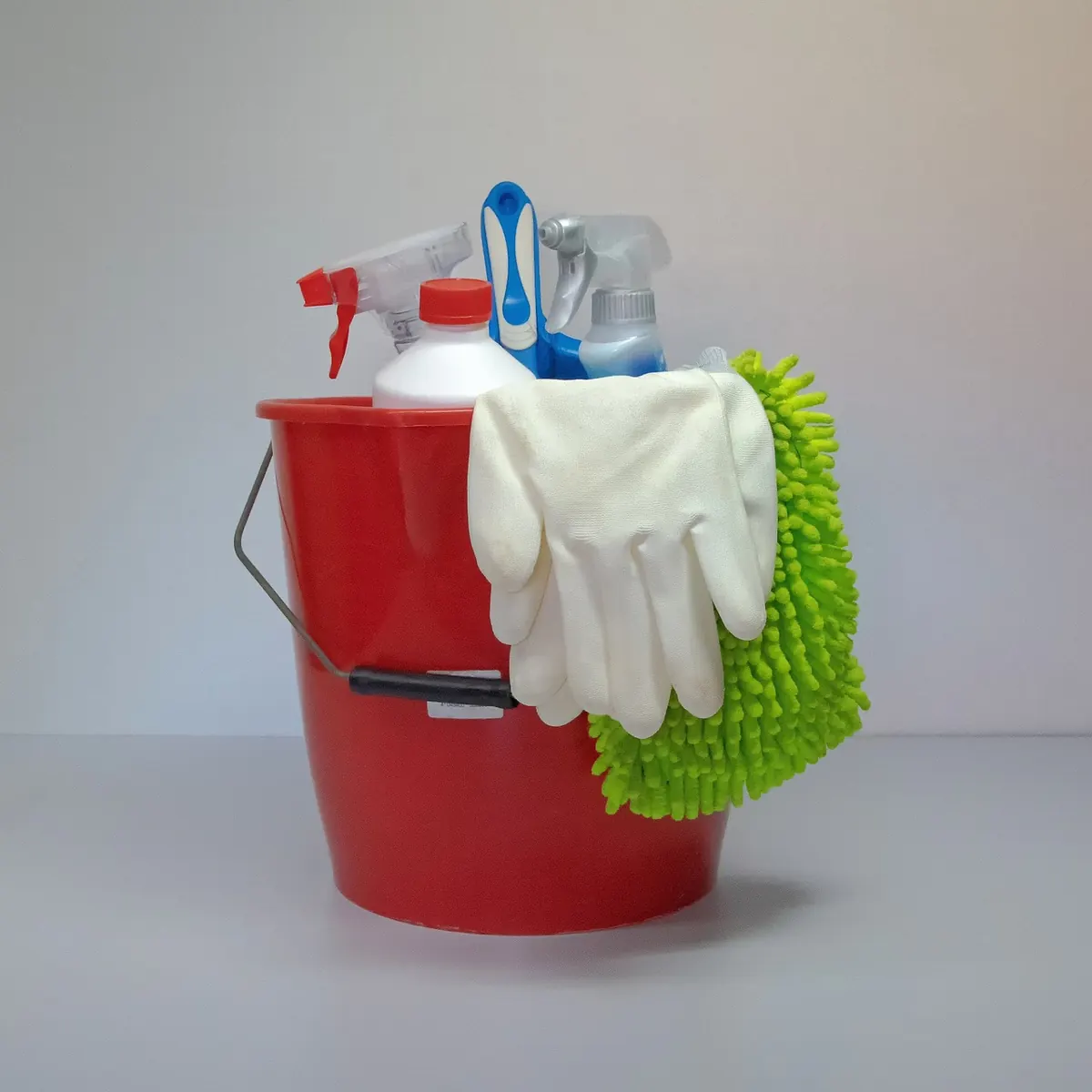
Mistake 4: never cleaning the tools themselves. Mop heads, broom bristles, vacuum brush rolls, buckets and toilet brushes all hold onto dirt and moisture. If they stay grimy, every session starts by spreading yesterday's mess around.
- Rinse and dry the mop head after every use. Wash fabric heads, and replace them when they start to smell.
- Empty and rinse the bucket, then store it upside down so it dries.
- Clear hair and dust from the vacuum brush roll and check the filter; a clogged vacuum blows fine dust back into the room.
- Let the toilet brush dry in its holder rather than standing in water.
- Wash your vacuum filter according to the manufacturer's instructions, or replace it when it becomes clogged.
3. Skipping Dwell Time, and Disinfecting a Dirty Surface
Mistake 5: spraying and wiping straight away. Disinfectants need contact time to work. Read the label on your product and note how long the surface should stay visibly wet — some need thirty seconds, others several minutes. Spray, then leave it while you wipe something else, and come back. Spraying the cloth instead of the surface is a related trap: the cloth absorbs most of the product and the surface gets far less than the label assumes. Instead, spray directly onto the surface, or use a generous amount on the cloth and wipe, then let it sit for the required time.
Mistake 6: disinfecting a dirty surface. Disinfectant is not a cleaner. If there is grease, food residue or visible dirt, the disinfectant will be used up on the grime before it can kill germs on the surface. Clean first with soap or detergent and water, rinse, then apply the disinfectant. This two-step approach is especially important in the kitchen, where fats and proteins can inactivate many disinfectants. On a greasy stovetop, for example, a spray-and-wipe with disinfectant alone will leave behind a film that harbours bacteria.
4. The Kitchen Sponge and Sink: The Germ Hotspots You Touch Daily
Mistake 7: using the same sponge for dishes and counters. The sponge that wipes the counter after raw meat is not the sponge you want to wash your plates with. Even if you rinse it, bacteria can remain in the pores. Use separate tools: a dish brush or cloth for dishes, and a different cloth or paper towel for counters. If you must use the same sponge, sanitize it properly — microwave a damp sponge for one minute or run it through the dishwasher with a heated dry cycle — but better to keep them separate.
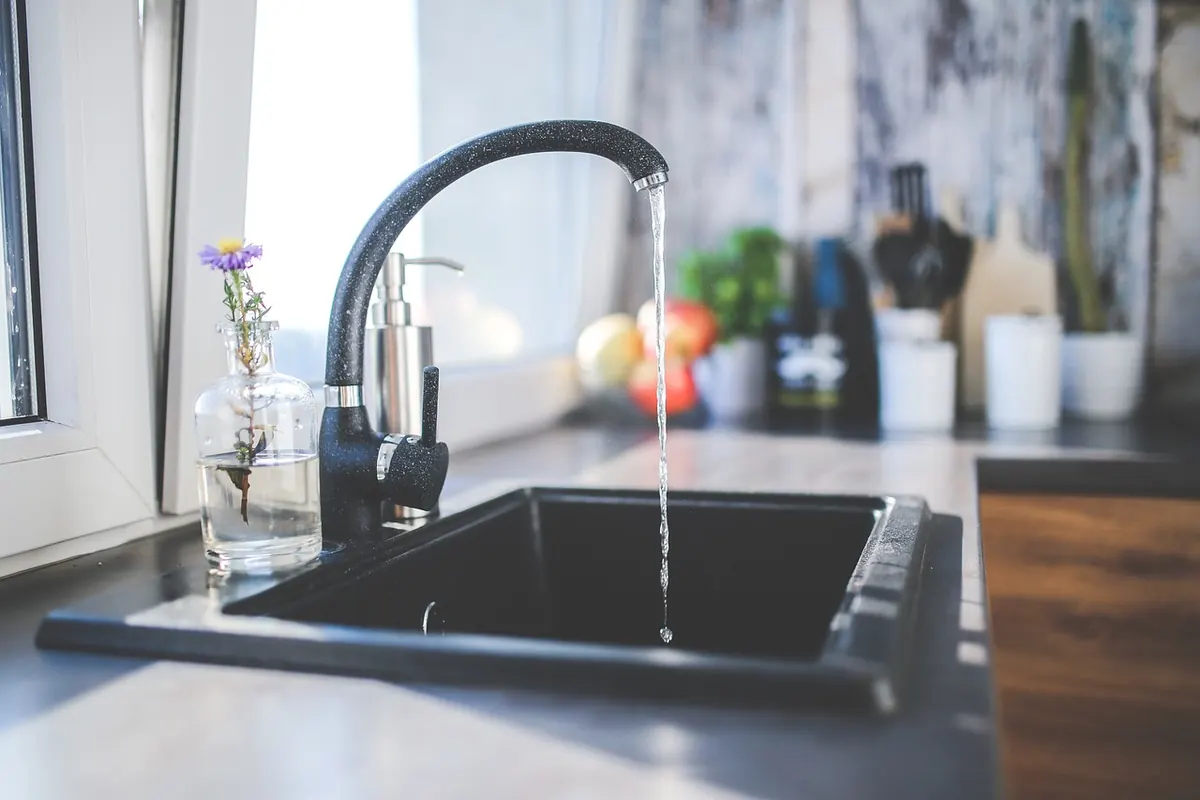
Mistake 8: letting the kitchen sink and drain become a reservoir. The sink is often the wettest, dirtiest place in the kitchen. Food particles collect in the drain and along the edges, and the disposal area can harbour bacteria. After washing dishes, rinse the sink, then scrub it with soap and water, and disinfect. Pour a solution of vinegar and baking soda down the drain weekly, or use a drain cleaner, to keep it fresh. Also, don't forget the faucet handle and the soap dispenser pump — they are high-touch points that get contaminated quickly.
5. Order of Operations and the Surfaces You Forget
Mistake 9: cleaning the toilet and then the rest of the bathroom with the same cloth. This is a specific version of mistake 2, but it deserves its own mention. The toilet bowl and the area around it are the most contaminated spots in the bathroom. Use a dedicated toilet brush and cloth for the toilet, and never use that cloth on the sink, shower or mirror. Work from the cleanest area (mirrors, sink) to the dirtiest (toilet) last. If you must use one cloth, start at the sink and finish at the toilet, then wash the cloth immediately in hot water.
Mistake 10: forgetting high-touch points. You can scrub the floors and still spread germs if you ignore the handles, switches and buttons everyone touches. Light switches, door handles, fridge handles, microwave buttons, remote controls, phones, and the flush lever are all germ transfer stations. Wipe them with a disinfectant wipe or spray at least once a day, especially during cold and flu season. A simple habit: keep a pack of disinfecting wipes near the kitchen and bathroom, and give these spots a quick pass when you finish cleaning.
6. Water, Buckets, and the Tools You Forget
Mistake 11: reusing mop water until it's filthy. When you mop, the water picks up dirt and germs. If you keep dipping the mop into the same bucket, you're just redistributing the grime. Use two buckets: one with clean water and detergent, one for rinsing the mop. Or, at minimum, change the water when it becomes visibly dirty. For a small area, a spray mop with a washable pad can be more hygienic because you use a fresh pad each time.
Mistake 12: neglecting the vacuum and its filter. A vacuum cleaner can be a germ spreader if its brush roll is tangled with hair and its filter is clogged. Fine dust and allergens get blown back into the air. After each use, check the brush roll and remove debris. Empty the canister or replace the bag when it's two-thirds full. Wash or replace the filter as recommended by the manufacturer. If someone in the house is allergic or asthmatic, this is especially important.
7. A Simple Routine That Covers the Basics
You don't need to scrub the whole house every day. A short daily routine, plus a deeper clean once a week, will keep germs in check.
- Daily: Wipe high-touch points (handles, switches, phone) with a disinfectant wipe. Wring out sponges and cloths and let them dry. Rinse the kitchen sink and wipe the counters after preparing food.
- Every other day: Clean the kitchen sponge (microwave or dishwasher) or replace it. Sweep or vacuum high-traffic areas.
- Weekly: Clean and disinfect the bathroom, including the toilet, sink, and shower. Mop floors with fresh water. Wash cloths, mop heads, and vacuum filters.
- Monthly: Deep clean the fridge, oven, and other appliances. Check and replace worn tools.
The golden rule: Clean first, then disinfect. Remove the soil, then kill the germs. And always let the disinfectant sit for the time listed on the label.
Conclusion
None of these fixes require a cupboard full of specialised products. They are mostly about order, separation, and letting products do their job. Once you start thinking about where germs travel — from the chicken board to the kettle handle, from the toilet to the sink — the right habit becomes obvious. Clean with intention, and you'll spend less time worrying about what you can't see.
Photo: Michi-Nordlicht / Pixabay